
The Dark Side of AI: When Seeing and Hearing is No Longer Believing
In 2026, the phrase "I heard it with my own ears" no longer holds the weight it once did. The rapid advancement of Generative AI has brought incredible innovations, but it has also handed cybercriminals a terrifying new weapon: AI Voice Cloning and Deepfake Extortion. This is not a distant sci-fi threat; it is happening right now, draining bank accounts and traumatizing families across the globe.
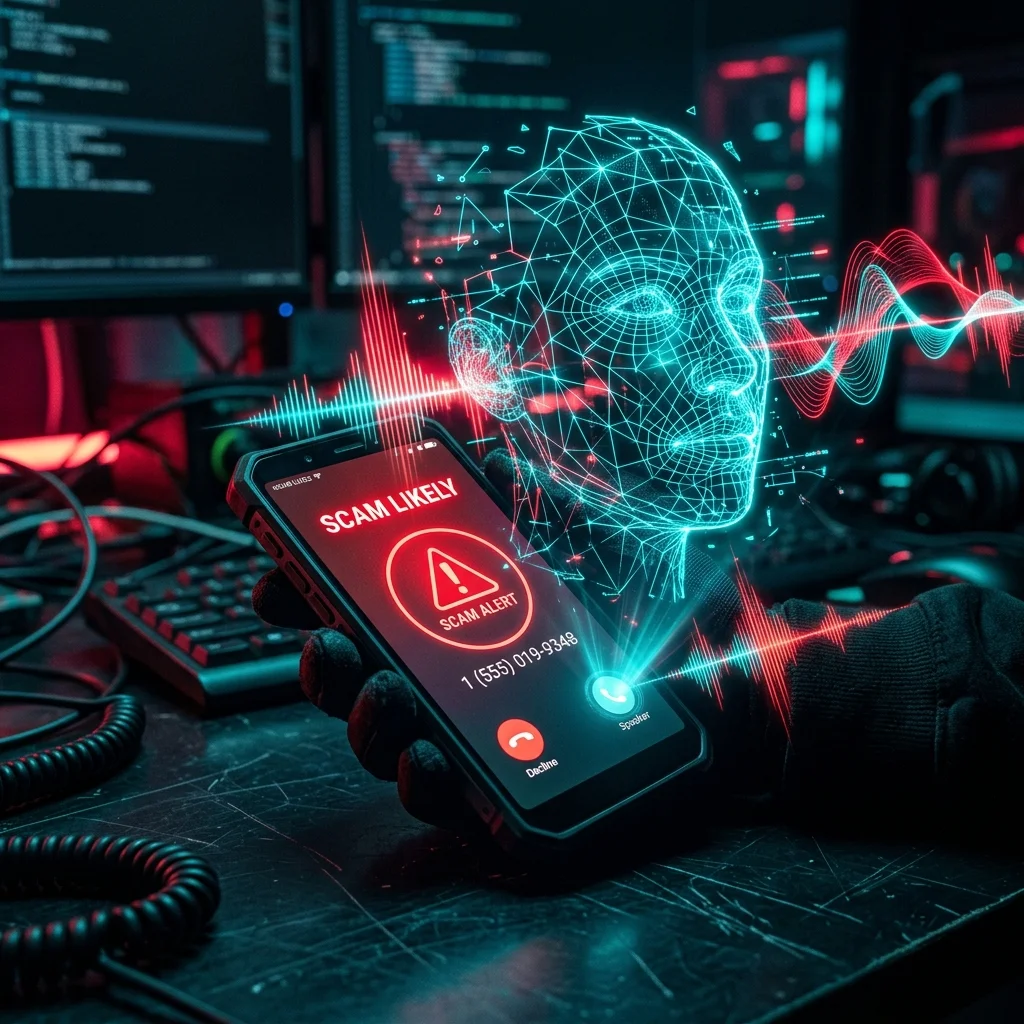
Imagine receiving a frantic phone call late at night. The caller ID shows your son's number. When you answer, you hear his voice—his exact pitch, tone, and inflection—crying out for help. He says he's been in a terrible accident, or perhaps he's been kidnapped, and a second, aggressive voice comes on the line demanding an immediate cryptocurrency transfer or wire payment. The terror is real. The voice is real. But the situation is entirely fabricated.
In this deep-dive security briefing, we will explore exactly how hackers execute the AI Voice Cloning scam, how they target you, and the critical steps you must take to protect your family from becoming the next victims.
Phase 1: The Reconnaissance and Data Harvesting
Scammers do not target individuals blindly. The success of an AI voice cloning scam relies heavily on high-quality intelligence and social engineering. But where do they get your family's voice?
1. Social Media Audio Mining
To clone a voice, an AI model in 2026 only needs about 3 to 5 seconds of clean audio. Scammers deploy automated bots to scrape public Instagram Reels, TikTok videos, YouTube shorts, and even public Facebook videos. If your family member has ever posted a video of themselves talking, their voice print is already available on the open internet.
2. The Role of Data Breaches
You might wonder, "How did the scammer know my phone number and my son's name?" The answer lies in the massive data breaches that occur almost daily. Hackers cross-reference breached databases containing names, phone numbers, and family relations to build a "target profile."
If your personal information is floating around the dark web, you are an easy target. This is why awareness is your first line of defense. We highly recommend running a Have I Been Pwned check on our homepage to see what data cybercriminals already know about you. Knowing your exposure allows you to anticipate these highly targeted attacks.
Phase 2: Execution and Psychological Manipulation
Once the scammer has a voice clone and a target profile, they initiate the attack. The execution relies on three core pillars:
- Caller ID Spoofing: Attackers use easily accessible Voice over IP (VoIP) software to "spoof" the caller ID. Your phone will literally say "Mom" or "Husband" because the incoming number matches your contacts perfectly.
- Manufactured Urgency: The scammer relies on the "amygdala hijack"—triggering your brain's fight-or-flight response. By simulating a car crash, an arrest, or a kidnapping, they ensure you are too panicked to think logically.
- Untraceable Demands: The attackers will demand payment in ways that cannot be reversed. This usually means cryptocurrency (like Bitcoin or Monero), or forcing the victim to drive to a local store to purchase high-value gift cards while keeping them on the line.
Phase 3: The Deepfake Evolution (Video Calls)
While voice cloning is currently the most prevalent, video deepfakes are the emerging frontier. Scammers are now utilizing real-time face-swapping technology during WhatsApp or Skype video calls. The video quality might be slightly degraded or glitchy—which the scammer will blame on "bad signal"—but seeing a loved one's face moving in sync with the cloned voice breaks down almost all remaining skepticism.
How to Defend Against AI Voice Scams (The 2026 Playbook)
Technology created this problem, but human protocol is the solution. You cannot stop scammers from accessing AI tools, but you can neutralize their effectiveness by implementing these strict personal security measures.
1. Establish a Family "Safe Word"
This is the single most effective defense against deepfake extortion. Sit down with your family and agree on a unique, secret "Safe Word" or phrase (e.g., "Blue Pineapple"). If you ever receive an emergency call requesting money or immediate action, ask the caller for the safe word. An AI clone will not know it, and the scam will instantly unravel.
2. The "Hang Up and Call Back" Rule
If you receive a suspicious emergency call, even if the Caller ID matches your loved one, hang up immediately. Dial their number manually from your contacts. Scammers can spoof incoming calls, but they cannot intercept your outgoing calls to the real device on the legitimate cellular network. If your loved one answers safely, you know the previous call was an AI clone.
3. Lock Down Your Social Media Privacy
The less audio and video data you provide to the open internet, the harder it is to clone your voice. Switch your Instagram, TikTok, and Facebook profiles to "Private." Only allow trusted friends and family to view your multimedia content. While this won't protect you from data already scraped, it halts future data harvesting.
4. Ask Challenge Questions
If you cannot remember the safe word in the heat of the moment, ask a question that only the real person would know. "What is the name of the dog we had when you were five?" or "Where did we go for dinner last Tuesday?" The scammer operating the AI voice software will not have this context and will attempt to deflect the question.
Conclusion: Operating in a Zero-Trust Environment
The dawn of accessible Generative AI means we have entered an era of "Zero Trust." We must fundamentally change how we interact with digital communications. Hearing is no longer believing. We must verify identity through shared secrets and out-of-band communication.
Spread this awareness to your older relatives, who are statistically the most vulnerable to these extortion tactics. Remind them that urgency is the hallmark of a scam. And remember, the less of your data that exists in the hands of bad actors, the safer you are. Regularly check your digital footprint, use tools like a Have I Been Pwned scan to monitor your exposure, and always verify before you trust.
Sources & Further Reading
The information in this article is based on the following authoritative sources:
- CERT-In (Indian Computer Emergency Response Team) — India's national cybersecurity agency — official advisories and breach alerts.
- Cybersecurity & Infrastructure Security Agency (CISA) — US government agency providing cybersecurity guidance and incident alerts.
- Identity Theft Resource Center (ITRC) — Authoritative non-profit tracking data breaches and identity theft globally.
Pwned Checker is committed to citing official and authoritative sources. All external links open in a new tab.
Was Your Email Compromised in this Security Incident?
Cross-reference your email, username, or passwords against billions of verified breach records using our zero-log lookup engine.
Check Your Email for Free →